Explore our groundbreaking research areas, from sustainable manufacturing to advanced material science, designed to create global impact.
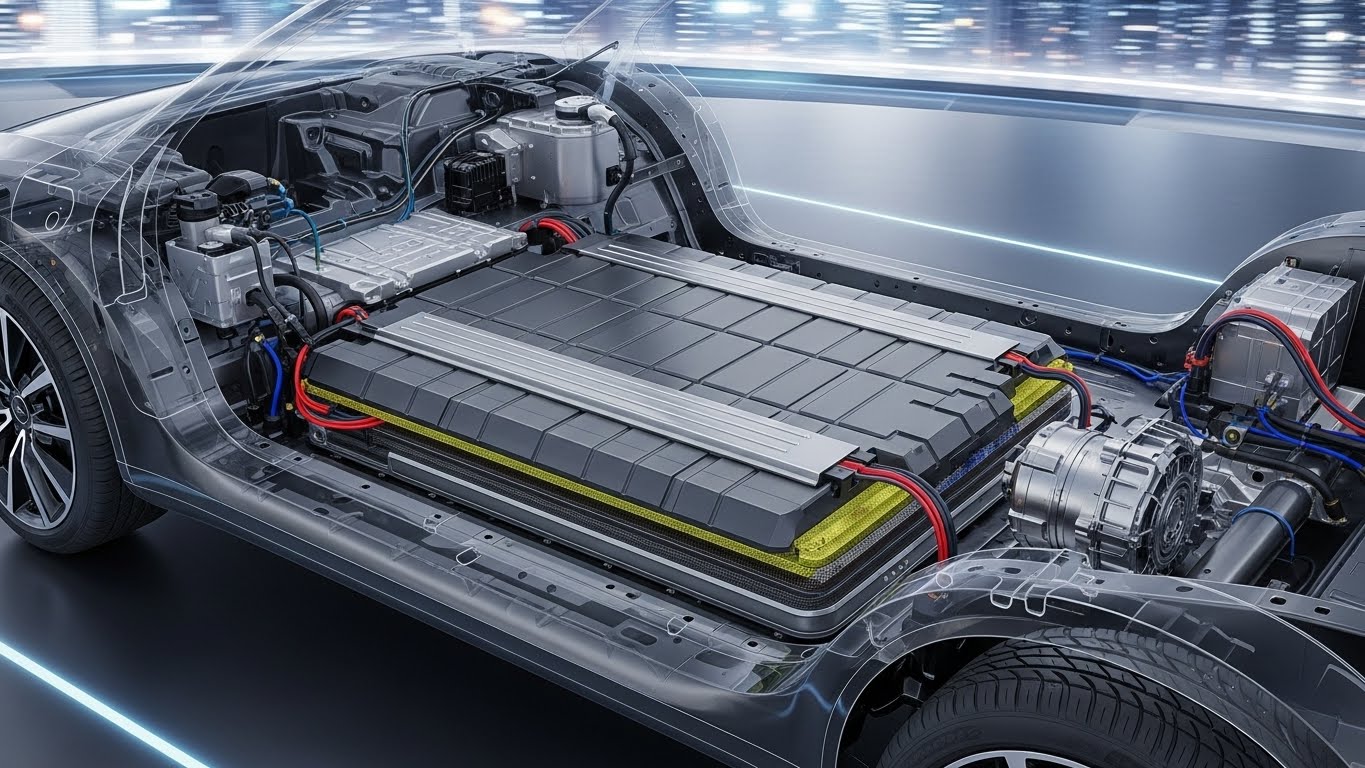
Electric cars have surged in popularity, but many drivers still worry about range anxiety – the fear of running out of charge.
Traditional blood transfusion is a life-saving therapy but depends entirely on human donors and a cold chain. Globally more than
Imagine a tiny piece of human tissue in a dish behaving like a real organ. That’s essentially what organoids are:
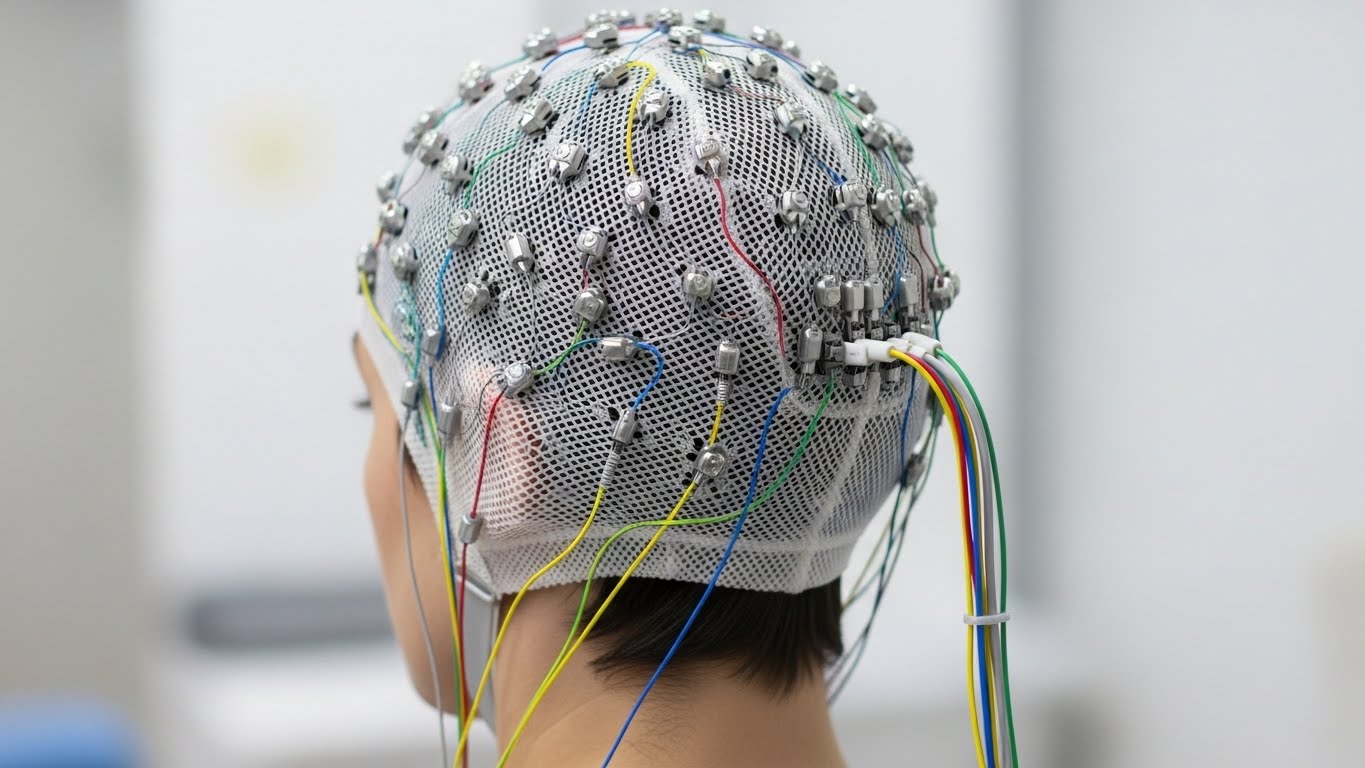
Brain–computer interfaces (BCIs) aim to translate brain activity into commands or communication. Unlike invasive implants (e.g. Neuralink) that require surgery,
Artificial intelligence has become a double-edged sword in cybersecurity. On one hand, defenders are harnessing AI to spot threats faster
Agentic AI refers to a new class of AI systems that go beyond simple question–answer chatbots or programmed helpers. These
Superconductivity is the phenomenon where a material conducts electric current with zero resistance. First discovered in 1911 by Heike Kamerlingh
Over the past few decades, fertility science has advanced from the first “test-tube baby” to a bold new frontier: making
Rotating detonation engines (RDEs) have roots in the 1950s. Early pioneers such as Arthur Nicholls at the University of Michigan studied
Veo 3: Cinematic Video from Text Imagine describing a scene in words and instantly getting an 8-second cinematic clip in return, complete
Some of the content on this website, including written copy and images, has been generated or enhanced using artificial intelligence tools. We use AI to assist with content creation in order to improve efficiency, creativity, and user experience.
All AI-generated content is reviewed and curated by our team to ensure it meets our quality standards and aligns with our brand values.
If you have any questions or concerns about our use of AI, feel free to Contact us