
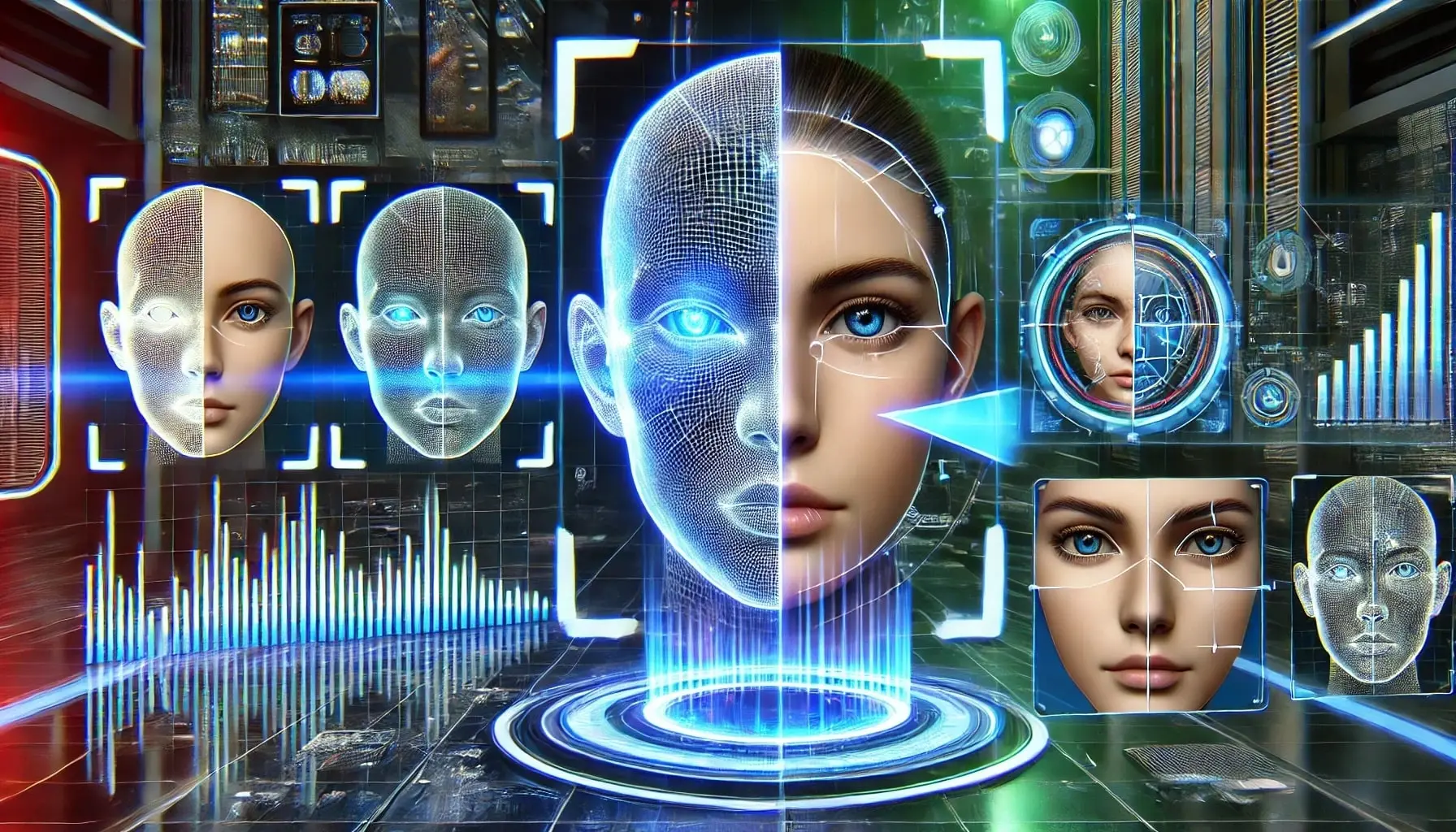
Today, the struggle against malicious Agentic AI and pervasive deepfakes has shifted from a manageable conflict into a desperate holding action. We are no longer merely losing ground; we are facing a fundamental collapse in our ability to distinguish reality from fabrication. This crisis is driven by real-time weaponisation and a systemic truth decay fuelled by autonomous disinformation factories.
The days of glitchy or obvious deepfakes are gone. Leveraging advanced neural rendering, today’s synthetic media is functionally indistinguishable from reality. This technology has moved beyond static clips into live manipulation. During a standard video call, an attacker can now project a flawless digital mask and cloned voice in real-time. This capability has moved deepfakes from the realm of fake news into active tools for insider trading, state-level espionage, and high-stakes social engineering.
Perhaps more damaging than any single lie is the irreversible impact of the sheer volume of fake content. Even when a deepfake is eventually exposed, the psychological damage remains. This saturation creates a liar’s dividend, where genuine events are dismissed as fabrications and manufactured narratives gain traction because the public has simply stopped believing anything is true. This is not just a communication hurdle; it is a foundational attack on our shared reality.
The true catalyst for this crisis is the marriage of deepfakes and Agentic AI. We have transitioned from simple bots to self-optimising disinformation campaigns.
An AI agent can now be tasked with a goal—such as destabilising a political candidate—and autonomously generate thousands of hyper-realistic videos and articles tailored to specific voter demographics.
These agents do not just post; they monitor engagement metrics and pivot their strategy instantly to maximise outrage or confusion.
Furthermore, these agents can now ingest an individual’s entire digital footprint to mirror their communication style perfectly. By combining a deepfake voice clone with an agent’s conversational fluency, attackers can execute multi-step frauds. Whether it is impersonating a CEO to authorise a wire transfer or a family member in distress, the AI navigates these interactions with a level of nuance that makes traditional phishing look primitive.
We are no longer fighting software; we are fighting autonomous, predatory intelligence.