
Non-Invasive Brain–Computer Interfaces
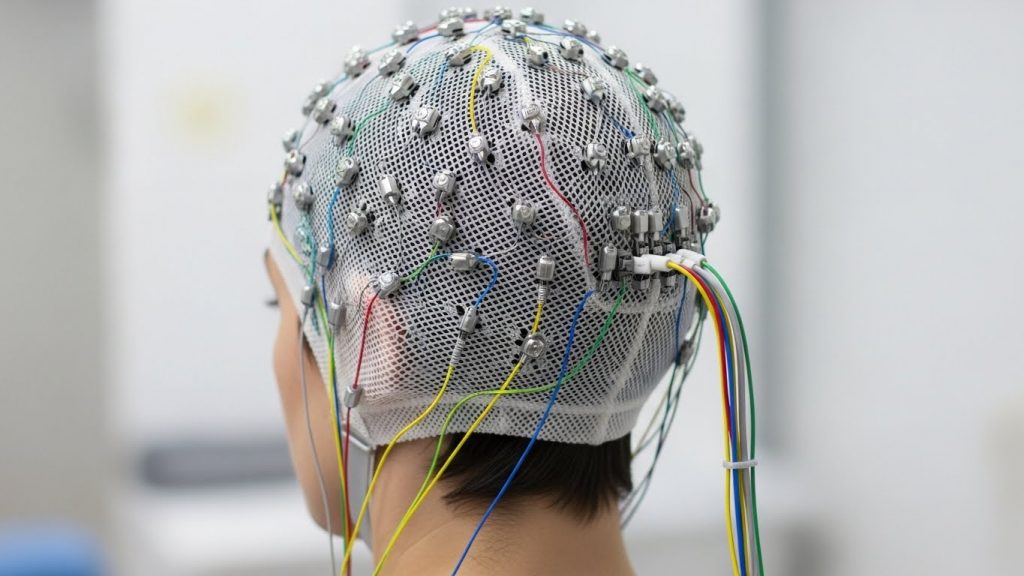
Brain–computer interfaces (BCIs) aim to translate brain activity into commands or communication. Unlike invasive implants (e.g. Neuralink) that require surgery, non-invasive BCIs use sensors on the scalp to read brain signals. The two main non-invasive modalities are electroencephalography (EEG) and functional near‑infrared spectroscopy (fNIRS). EEG uses scalp electrodes to detect electrical brain waves, while fNIRS shines harmless near‑infrared light into […]